

UAE prison education initiative in Ras Al Khaimah featured in UNESCO study
Inclusive correctional learning framework expands rehabilitation opportunities
DUBAI – Ras Al Khaimah’s Prison Programme has been highlighted in a case study published by UNESCO’s Institute for Lifelong Learning, recognising it as a regional reference point for correctional education practices.
The initiative is part of the Emirate’s wider inclusion in UNESCO’s Global Network of Learning Cities and reflects its growing emphasis on lifelong learning across all sectors of society. The programme, launched in 2011, has been developed to support both inmates and correctional officers through structured education and rehabilitation-focused activities.
It is implemented by the Sheikh Saud bin Saqr Al Qasimi Foundation for Policy Research in collaboration with the Ras Al Khaimah Correctional Facility.
Access to education
The UNESCO feature outlines how the programme promotes access to inclusive learning within the correctional environment. Educational provision includes literacy courses in Arabic and English, alongside training in small business management, office administration, ICT skills, art, mental health first aid, and broader life skills.
In Ras Al Khaimah, prison education opens doors beyond release. A library‑centred programme in this UNESCO Learning City shows how inclusive learning contributes to skills acquisition and reintegration.
— UNESCO-UIL (@UIL) April 15, 2026
Discover the UIL case study???? https://t.co/QlCwmIUAI6 pic.twitter.com/yQhV5GP1Pl
According to data cited in the case study, more than 1,000 inmates have taken part in at least one structured educational course since the programme’s introduction. These sessions are designed to equip participants with practical skills that support both personal development and future employment prospects.
Learning space
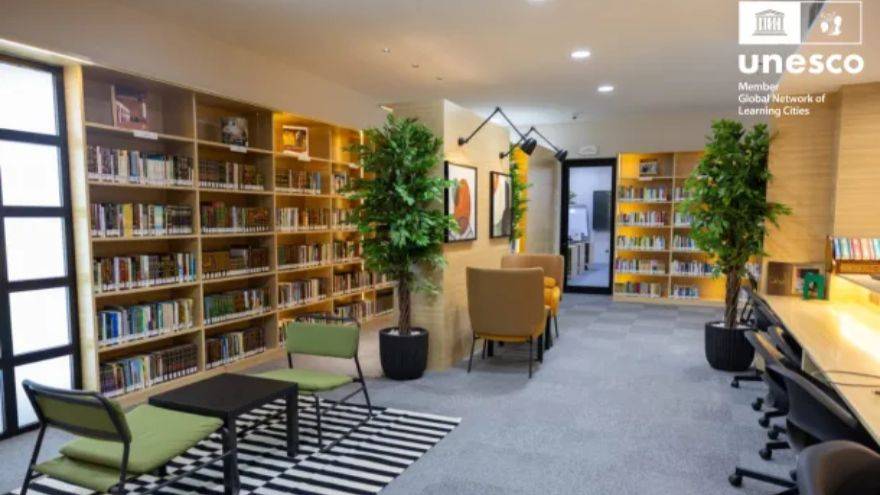
At the centre of the initiative is a multipurpose prison library containing more than 9,000 titles. The space also includes designated reading areas, group activity zones, and a private room used for psychological counselling and therapy sessions. The library supports structured engagement through a reading book club and regular communal activities that encourage participation and routine learning habits.
UNESCO notes that nearly 25 percent of the inmate population has accessed the library since its establishment, with both inmates and correctional officers incorporating it into their daily schedules.
Reintegration
The case study also highlights feedback indicating improved emotional wellbeing and a stronger sense of direction among participants. Survey responses referenced by UNESCO suggest that inmates report a renewed sense of hope and clearer pathways towards reintegration into society. Dr Natasha Ridge, Executive Director of the Al Qasimi Foundation, said the programme reflects a belief that learning opportunities should remain accessible to all members of society, regardless of circumstance, and should be both practical and responsive to real-life challenges faced during and after incarceration.
Since joining UNESCO’s Global Network of Learning Cities in 2022, Ras Al Khaimah has documented a wide range of lifelong learning initiatives across formal, informal, and non-formal settings, with correctional education forming a key part of this broader framework.